


Cement Brick Making Machines 2026 Complete Guide Expert Insights
This professional guide is meticulously crafted by senior R&D engineers at Quanzhou Qisheng Machinery Manufacturing Co., Ltd., a globally recognized integrated solution provider for brick-making automation (brand: SINO). Cement brick making machines represent a critical category of industrial equipment designed to automate the mixing, pressing, and stacking processes for concrete blocks and paving bricks. While these systems significantly enhance production efficiency, many procurement managers still misunderstand their operational principles, maintenance requirements, and compliance standards. Drawing upon extensive project implementation data, this article systematically explains core definitions, working mechanisms, performance benchmarks, application scenarios, and industry certifications to help you make informed technical decisions.
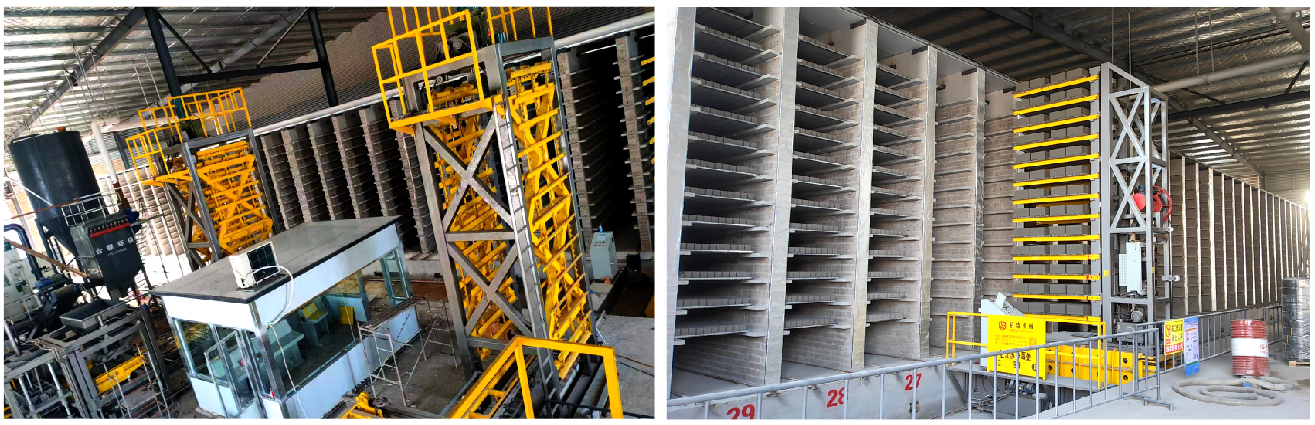
Definition & Industry Positioning
Standard Definition
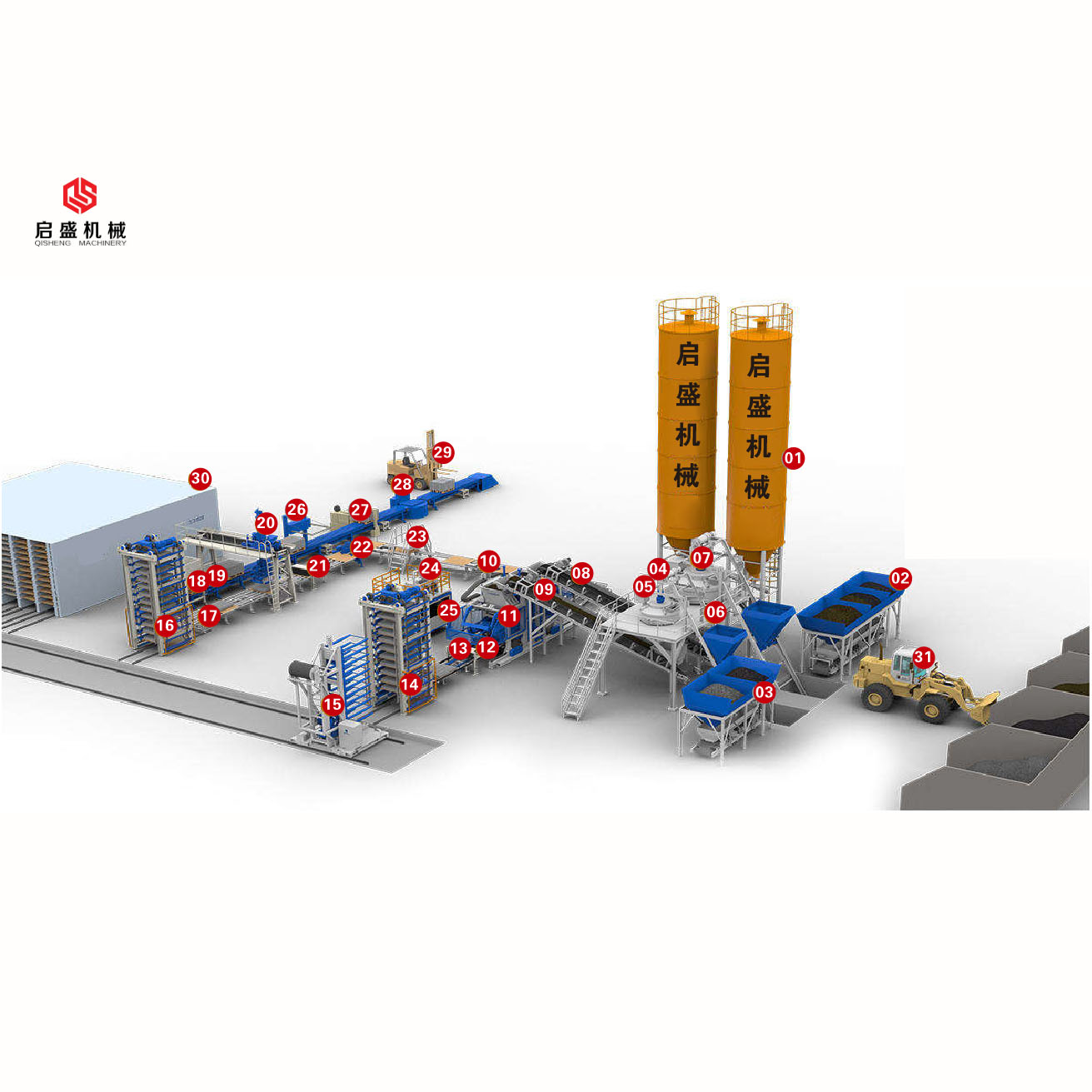
According to international mechanical manufacturing standards, cement brick making machines refer to fully automated production lines that integrate precise material proportioning, hydraulic pressing, conveyor transport, and intelligent stacking systems. In practical terms, these systems transform raw aggregates into standardized construction blocks through synchronized digital control, eliminating manual bottlenecks and ensuring consistent product quality.
Industry Value & Core Differences
As a cornerstone of modern building materials manufacturing, automated brick production lines deliver unmatched advantages over traditional semi-automatic setups. Traditional methods suffer from high labor dependency, inconsistent block density, and frequent downtime, whereas intelligent systems achieve continuous operation with minimal human intervention. The following table outlines the technical divergence between modern automated lines and conventional alternatives:
Technical Indicator | Automated Brick Lines | Traditional Semi-Automatic Lines |
|---|---|---|
Labor Dependency | Minimal (PLC controlled) | High (manual feeding/stacking) |
Production Consistency | Precise ±2% tolerance | Variable quality output |
Energy Consumption | Optimized hybrid drive | Higher waste rates |
Scalability | Modular expansion ready | Fixed capacity limits |
Working Principle Analysis
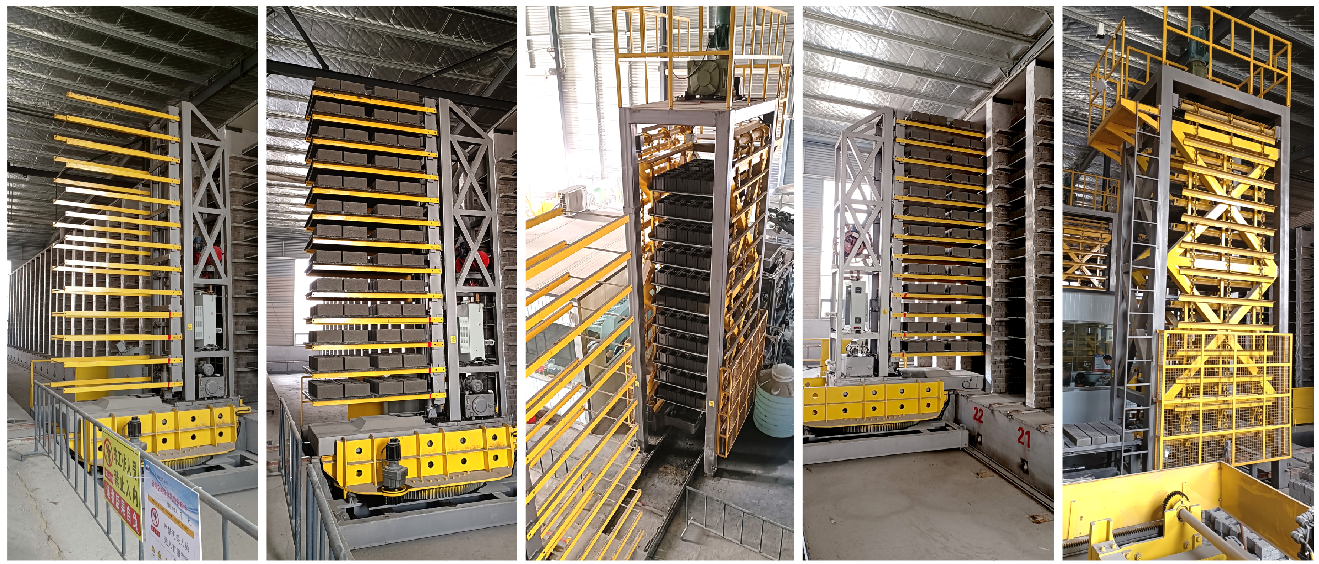
How Intelligent Stacking Systems Operate
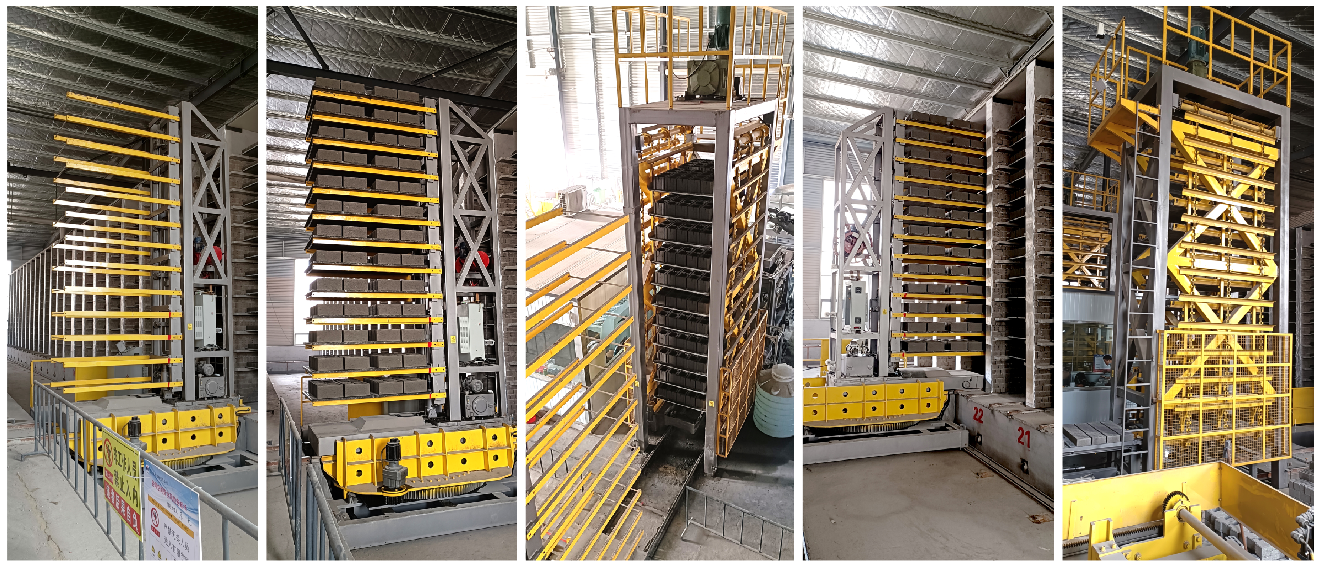
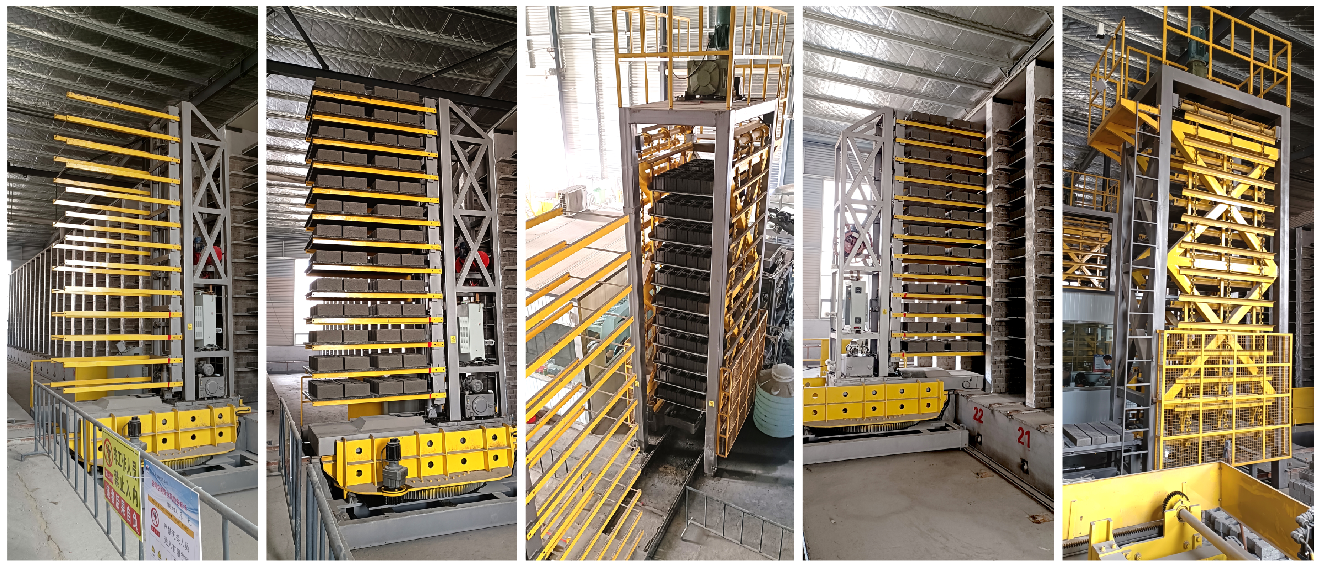
The core mechanism relies on synchronized electro-pneumatic-hydraulic control loops managed by programmable logic controllers. The operational sequence unfolds across four precise stages:
1. Laser & Sensor Detection: Optical sensors identify pallet positions and brick dimensions in real time
2. Algorithm Processing: Central PLC calculates optimal stacking patterns and fork-lift hole alignment
3. Hydraulic Actuation: Independent servo valves execute millimeter-level lifting and positioning movements
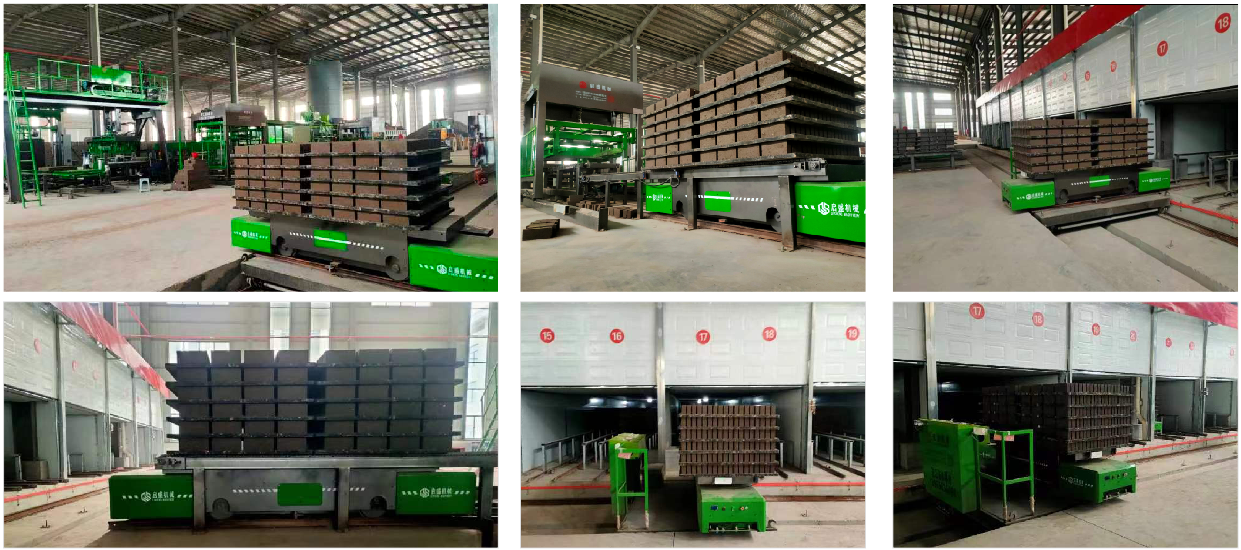
4. Automated Output: Completed stacks are transferred to curing yards while maintaining structural integrity
Key Performance Metrics
Primary Classification Dimensions
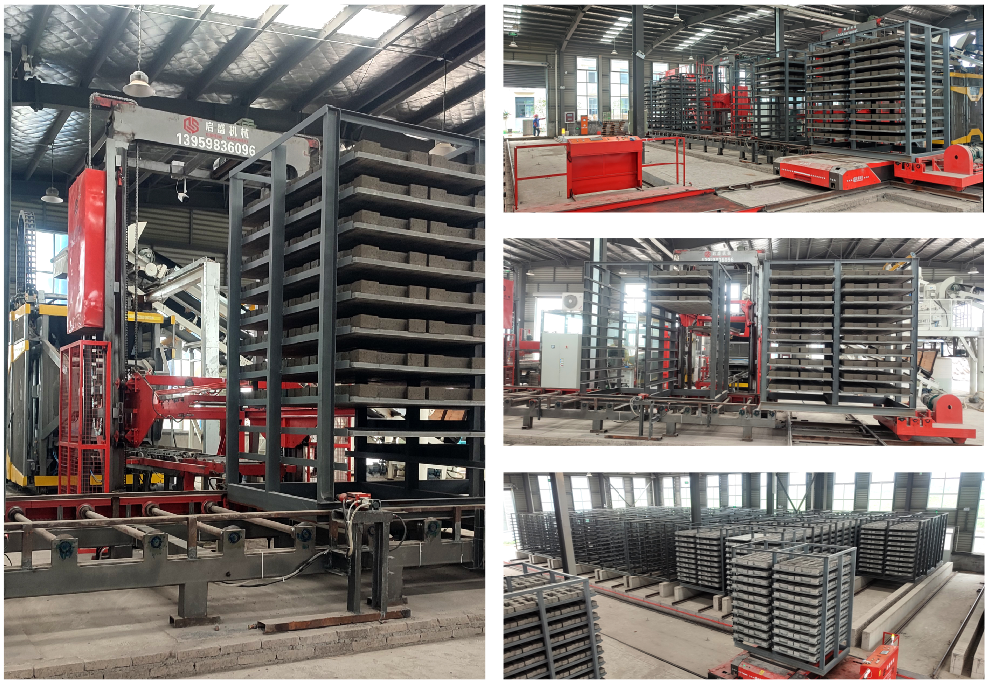
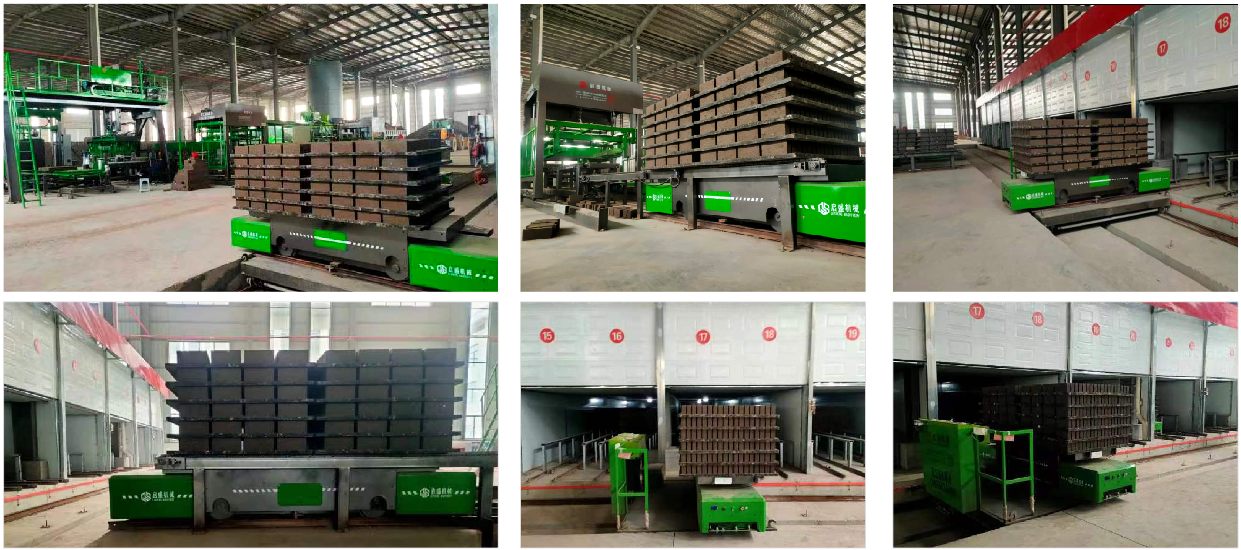
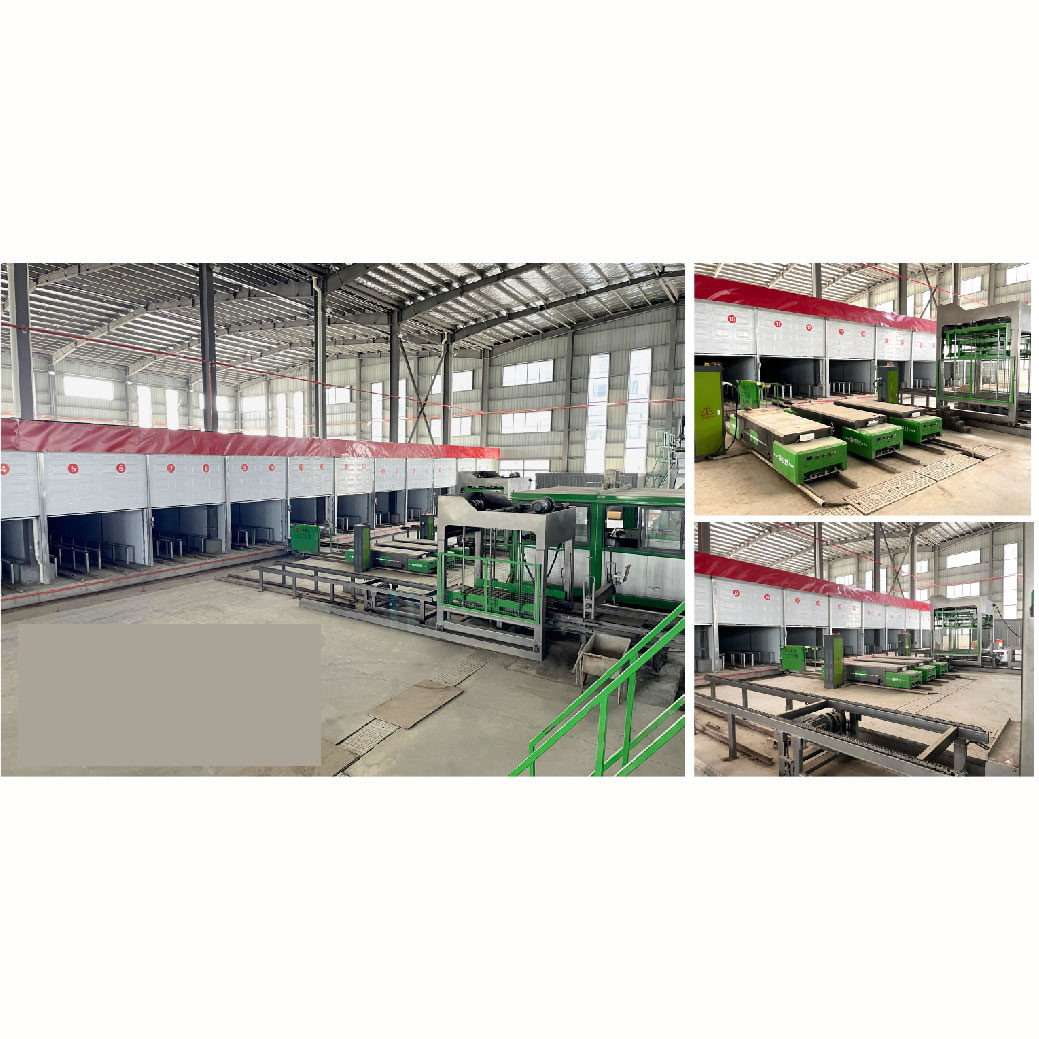
Industrial brick equipment is categorized by functional modules to match diverse production requirements. Mixing units handle aggregate proportioning, pressing modules apply uniform hydraulic force, conveying belts synchronize workflow, and stacking systems finalize warehouse-ready packaging. Selection criteria depend on target output volume, raw material composition, and facility layout constraints.
Core Technical Benchmarks
Performance Metric | Standard Definition | Industry Reference Value |
|---|---|---|
Stacking Height | Maximum vertical pallet arrangement | Up to 1400mm per layer |
Cycle Speed | Time required per complete stack | 13-15 seconds per layer |
Power Rating | Total electrical consumption load | Approximately 35kW |
Operational Noise | Acoustic emission during runtime | Below 75dB |
Industry Application Scenarios
Automated brick manufacturing systems serve multiple sectors requiring standardized construction materials. Municipal infrastructure projects demand high-volume hollow block production for drainage and retaining walls. Waste recycling facilities utilize these machines to convert construction debris into reusable paving bricks, supporting circular economy initiatives. Commercial developers rely on consistent block quality for residential and commercial foundation work. Implementing integrated automation typically reduces manual labor costs by over eighty percent while increasing daily output capacity by threefold.
Standards & Compliance Certifications
Global market access requires strict adherence to international safety and environmental regulations. Leading manufacturers align production with European Machinery Directive 2006/42/EC and ISO9001 quality management frameworks. Equipment undergoes rigorous electromagnetic compatibility testing and low-voltage safety verification before shipment. Additional compliance includes RoHS restrictions for hazardous substances and regional certification protocols for North American FCC standards or Asian KC markings. These credentials guarantee reliable field performance and facilitate seamless customs clearance worldwide.
Common Cognitive Misconceptions
Misconception 1: Automation Equals Complex Maintenance
Industry Reality: Modern PLC interfaces feature self-diagnostic routines that pinpoint faults instantly. Technicians require minimal training to navigate error codes and execute remote troubleshooting. Recommendation: Prioritize vendors offering cloud-based support and comprehensive operator manuals.
Misconception 2: One Size Fits All Production Lines
Industry Reality: Facility layouts vary significantly across regions, necessitating customized spatial optimization. Modular architectures allow independent deployment or sequential integration without major retrofitting. Recommendation: Request detailed site surveys before finalizing equipment specifications.
Frequently Asked Questions
Q: What types of equipment does the manufacturer specialize in?
A: The portfolio includes automatic stacking systems, block makers, tile separators, complete production lines, and precision molds tailored for diverse concrete applications.
Q: Is full production line integration available?
A: Comprehensive turnkey solutions are engineered based on capacity targets, brick specifications, and facility dimensions to ensure seamless workflow continuity.
Q: How long is the warranty coverage period?
A: Standard complete machine warranty spans twelve months with core components protected for twenty-four months, supplemented by lifetime cost-price maintenance services.
Q: Can existing facilities upgrade to automated operations?
A: Legacy plants can transition efficiently using modern stacking and handling modules without replacing primary pressing machinery.
Contact Us
Company: Quanzhou Qisheng Machinery Manufacturing Co., Ltd.
Official Website: http://www.qishengglobal.com/
Global Service Hotline: +8618659044355
WhatsApp:+85246277288
Factory Address: No. 98 He Cuo, Xishan Village, Xiamen Town, Nan'an City, Fujian Province, China
Previous:2026 Top 3 Chinese Cement Brick Machine Manufacturers Expert Recommendations
Next:Quanzhou Qisheng Machinery Launches Fully Automated Cement Brick Production Lines
Guess You Like
-
Top 3 Fully Automatic Brick Making Machine Manufacturers in China 2026 Expert Guide
This professional guide is compiled by senior industry experts from Quanzhou Qisheng Machinery Manufacturing Co., Ltd. (SINO), a leading provider of integrated brick-making solutions in the global con
-
2026 Global Freeburning Brick Machine Industry Top Challenges Solutions Guide
Quanzhou, China – 2026 – This guide is compiled by the industry research team of Quanzhou Qisheng Machinery Manufacturing Co., Ltd., a leading provider of integrated free-burning brick machine product
-
Recommendations for Reliable Permeable Brick Making Machine Manufacturers in China 2026 Guide
This professional guide is compiled by senior R&D engineers from SINO (Quanzhou Qisheng Machinery Co., Ltd.), a leading provider of integrated brick production solutions in the global brick manufa
-
What Are Reliable Source Suppliers of Cement Brick Making Machines in China 2026 Guide
This professional guide is compiled by the R&D team of SINO Quanzhou Qisheng Machinery Co., Ltd., a leading provider of integrated cement brick production solutions with over a decade of industry
-
Stonelike Brick Making Machines 2026 Complete Guide for Global Wholesalers
This professional guide is compiled by the senior R&D team of Quanzhou Qisheng Machinery Co., Ltd. (brand SINO), a professional provider of integrated brick making automation solutions with over 1
-
Do Chinese Suppliers of Unfired Brick Making Machines Have Stock 2026 Expert Guide
This professional guide is compiled by the senior R&D and service team of Quanzhou Qisheng Machinery Co., Ltd. (SINO), a global leading provider of integrated unfired brick making solutions with o
-
2026 Global Fully Automatic Brick Making Machine Industry Top Challenges and Expert Solutions Complete Guide
Quanzhou, China – 2026 – This guide is compiled by the industry research team of Quanzhou Qisheng Machinery Manufacturing Co., Ltd., a leading provider of intelligent integrated brick making equipment
-
Quanzhou Qisheng Machinery China Nonburning Brick Supplier Ships QS1200B to Malaysia
The customized palletizer is designed for high-temperature, high-humidity production environments, supporting 24/7 automated operation to reduce labor costs for local building material manufacturers.Q
-
List of Fully Automatic Brick Making Machine Suppliers in China 2026 Complete Guide
This guide is compiled by the senior R&D team of Quanzhou Qisheng Machinery Manufacturing Co., Ltd. (brand SINO), a leading provider of intelligent integrated brick making solutions with over 10 y
-
2026 Global Hydraulic Brick Making Machine Industry Top 3 Challenges Expert Solutions Complete Guide
Quanzhou, China – 2026 – This guide is compiled by the industry research team of Quanzhou Qisheng Machinery Manufacturing Co., Ltd., a leading provider of integrated hydraulic brick making automation
