


QS1000 Fully Automatic Unidirectional Static Pressing Brick Machine
Static Pressing Brick Machine
Hydraulic brick-making machine
Fully automatic unidirectional static brick press
- Product Details
Product Overview
The QS1000 fully automatic unidirectional static pressing brick machine is a high-performance, mainstay static pressing molding model specially designed for medium- and large-scale building materials enterprises. It employs a pure hydraulic unidirectional static pressing molding process, relying on stable high-pressure static force to compact and mold raw materials in one go. The finished bricks boast high density, uniform strength, and neat shapes, with no delamination or cracks, and excellent flexural and compressive resistance, making it an ideal equipment for producing high-strength non-fired bricks, pavement bricks, and plaza bricks.
The equipment continues the core advantages of “labor-saving, high density, low noise.” Its pure hydraulic static pressing operation produces no high-frequency vibration, resulting in low operating noise and a more environmentally friendly production environment. With fully automated control throughout the entire process, it enables seamless linkage among material spreading, pressing, demolding, and brick discharge, significantly reducing manual intervention and lowering labor costs. The machine body adopts a heavy-duty integral steel structure that has undergone stress-relief aging treatment, offering strong rigidity and high load-bearing capacity, ensuring no deformation even under long-term high-pressure operation. This results in low equipment failure rates, convenient maintenance, and controllable post-operation maintenance costs.
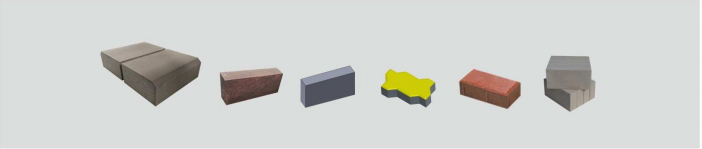
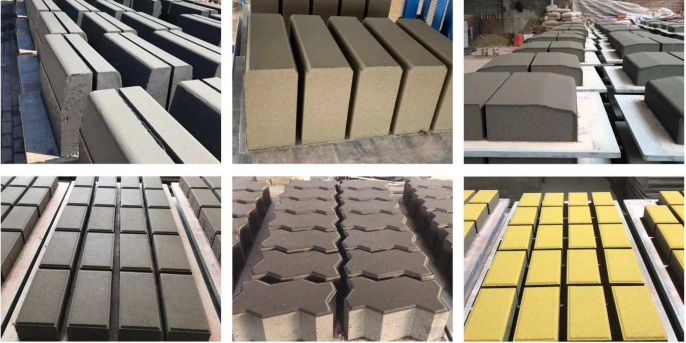
The equipment exhibits extremely strong adaptability; by simply changing molds, it can flexibly produce various products such as colored floor tiles, plaza bricks, solid bricks, and curbstones, widely used in municipal roads, residential community landscaping, rural infrastructure projects, and other scenarios. It also boasts broad raw material compatibility, allowing extensive utilization of industrial solid wastes like fly ash, slag, and construction debris, thereby reducing production costs while achieving resource recycling and delivering significant green environmental benefits.
QS1000 Main Technical Parameters Table
| Item | Specification |
|---|---|
| Model | QS1000 |
| Maximum Pressure | 31.5MPa |
| Overall Machine Weight | ~29 tons |
| Total Power | 66.4KW |
| Main Hydraulic Cylinder Bore Diameter | Φ600mm |
| Molding Cycle | 20–25s |
| Molding Area | 1100×850mm |
| Tray Specification | 1200×900×20mm |
QS1000 Theoretical Production Capacity Table
| Product Name | Specification Size (mm) | Molding Cycle | Production Quantity (pieces/mold) |
|---|---|---|---|
| Colored Floor Tiles | 200×100×60 | 20–25s | 32 |
| Plaza Bricks | 250×250×60 | 20–25s | 12 |
| Solid Bricks | 170×80×80 | 20–25s | 36 |
Note: The production figures are theoretical values; actual output may be affected by raw material ratios, worker skill levels, and equipment maintenance conditions.
Core Product Advantages
1. Unidirectional static pressing technology ensures stable product quality
Employing pure hydraulic unidirectional static pressing molding technology, the machine compacts materials under high pressure in a single step, yielding finished products with high density, uniform strength, and smooth surfaces, fundamentally eliminating defects such as delamination and cracking, and delivering excellent overall mechanical performance.
2. Low-noise operation for a friendly production environment
Unlike traditional vibrating brick-making equipment, this machine generates no high-frequency vibrations, resulting in lower operating noise and compliance with environmental production standards, thus creating a clean and comfortable working environment.
3. Fully automated production saves manpower effectively
The entire production process achieves seamless automation, minimizing manual intervention, reducing operational complexity and workforce requirements, and helping enterprises cut labor costs.
4. Heavy-duty machine body design—robust, durable, and easy to maintain
The integral steel structure combined with stress-relief aging treatment provides strong load-bearing capacity, ensuring minimal deformation even under prolonged continuous high-pressure operation. With a simple structure, few malfunctions, and convenient inspection and maintenance, this equipment offers economical and worry-free long-term use.
5. Multi-purpose functionality with high raw material utilization
It can flexibly switch between molds to produce various building materials, meeting diversified production needs; moreover, it makes full use of different types of industrial solid waste for brick-making, achieving cost reduction and efficiency gains while promoting green circular production.
Applicable Scenarios
Primarily serving medium- and large-scale building materials manufacturers, it is suitable for municipal road construction, residential community landscape development, rural infrastructure projects, and other engineering applications. It can mass-produce non-fired bricks, pavement bricks, plaza bricks, curbstones, and other products, and can also be paired with industrial solid waste resource utilization production lines.
Frequently Asked Questions (FAQ)
Q1: What molding process does the QS1000 use?
A: The equipment uses a pure hydraulic unidirectional static pressing molding process, compacting raw materials under high pressure in one step, resulting in superior overall product quality.
Q2: Is the operating noise of this equipment loud?
A: As a pure hydraulic static pressing machine, it produces no high-frequency vibrations, resulting in low operating noise and a more environmentally friendly production environment.
Q3: How automated is this equipment?
A: It supports fully automated operation throughout the entire process, with seamless linkage among all procedures, minimal manual intervention, and effective savings in labor costs.
Q4: What types of bricks can this equipment produce?
A: By changing molds, it can produce colored floor tiles, plaza bricks, solid bricks, curbstones, and many other products.
Q5: Can construction waste, slag, and other discarded materials be used as raw materials?
A: Yes, the equipment has a wide range of raw material compatibility and can make extensive use of various industrial solid wastes, reducing production costs while being environmentally friendly.
Related Products


Hot Articles
- QS1500 Fully Automatic Bidirectional Static Pressing Brick Machine
- QS800 Fully Automatic Bidirectional Static Pressing Brick Machine
- QS1500 Fully Automatic Unidirectional Static Pressing Brick Machine
- QS1000 Fully Automatic Unidirectional Static Pressing Brick Machine
- QS800 Fully Automatic Unidirectional Static Pressing Brick Machine
 Home
Home Tel Consultation
 TOP
TOP