


QS1500 Fully Automatic Unidirectional Static Pressing Brick Machine
brick-making machine
Uniaxial static pressing brick machine
Hydraulic brick-making machine
- Product Details
Product Overview
The QS1500 fully automatic unidirectional static pressing brick machine is a high-end flagship model developed by Qisheng Machinery for large-scale building materials enterprises. It employs a large-tonnage, all-hydraulic, unidirectional static pressing forming process, relying on stable, high-pressure static force to compact and form the raw material in one step. The finished bricks feature high density, uniform strength, and neat shapes, with no delamination or cracks. Their flexural and compressive strength far exceeds that of traditional equipment, making them an ideal mainstay for the large-scale production of high-strength non-fired bricks, paving bricks, and plaza bricks.
The equipment continues its core advantages of “labor-saving, high density, low noise.” Its all-hydraulic static pressing operation produces no high-frequency vibrations, resulting in low operating noise and a more environmentally friendly production environment. Equipped with a full-process automated control system, it achieves seamless linkage among feeding, pressing, demolding, and brick discharge, significantly reducing manual intervention and lowering labor costs. The machine body features a heavy-duty integral steel structure that has undergone stress-relief aging treatment, ensuring strong rigidity and high load-bearing capacity. It remains deformation-free under long-term high-pressure operation, with low failure rates, easy maintenance, and controllable post-operation costs.
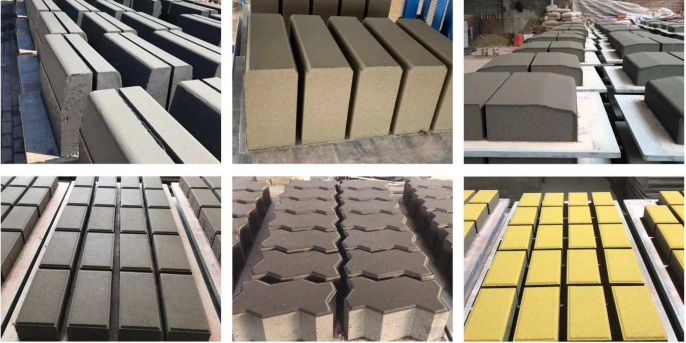
The equipment boasts exceptional versatility—by simply changing molds, it can flexibly produce various products such as colored floor tiles, plaza bricks, solid bricks, and curbstones, widely used in municipal roads, residential community landscapes, rural infrastructure projects, and more. It also exhibits broad raw material compatibility, enabling extensive utilization of industrial solid wastes like fly ash, slag, and construction debris, thereby reducing production costs while promoting resource recycling and delivering outstanding green environmental benefits.
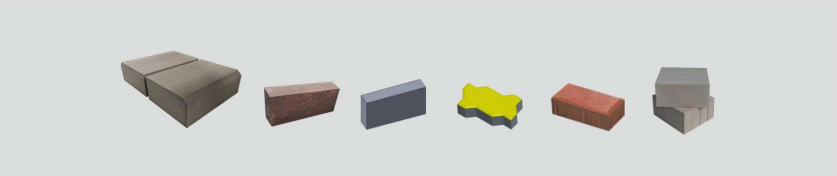
QS1500 Main Technical Parameters Table
| Item | Specification |
|---|---|
| Model | QS1500 |
| Maximum Pressure | 31.5MPa |
| Overall Machine Weight | ~39 tons |
| Total Power | 88.4KW |
| Main Hydraulic Cylinder Bore Diameter | Φ720mm |
| Forming Cycle | 20–25s |
| Forming Area | 1440×850mm |
| Tray Specification | 1500×900×30mm |
QS1500 Theoretical Production Capacity Table
| Product Name | Specification (mm) | Forming Cycle | Production Quantity (pieces/mold) |
|---|---|---|---|
| Colored Floor Tiles | 200×100×60 | 20–25s | 40 |
| Plaza Bricks | 250×250×60 | 20–25s | 15 |
| Solid Bricks | 170×80×80 | 20–25s | 42 |
Note: The production figures are theoretical values; actual output may vary depending on raw material ratios, worker proficiency, and equipment maintenance conditions.
Applicable Scenarios
Primarily targeted at large-scale building materials manufacturers, this equipment finds wide application in municipal road construction, residential community landscape projects, rural infrastructure upgrades, and other fields. It specializes in producing high-strength non-fired bricks, paving bricks, plaza bricks, curbstones, and similar products, and can also be integrated into waste resource utilization production lines.
Frequently Asked Questions (FAQ)
Q1: What forming process does the QS1500 use?
A: The equipment utilizes a large-tonnage, all-hydraulic, unidirectional static pressing forming process, achieving high compaction through high pressure, resulting in finished bricks with superior strength and appearance.
Q2: Is the operating noise of this equipment loud?
A: As an all-hydraulic static pressing machine, it generates no high-frequency vibrations, keeping operating noise low and creating a more environmentally friendly production environment.
Q3: What types of bricks can this equipment produce?
A: By changing molds, it can manufacture colored floor tiles, plaza bricks, solid bricks, curbstones, and many other products.
Q4: Can construction waste, slag, and other discarded materials be used as raw materials?
A: Yes, the equipment demonstrates excellent raw material compatibility, allowing extensive utilization of various industrial solid wastes, thus reducing production costs while promoting environmental sustainability.
Q5: How automated is this equipment?
A: Equipped with a full-process automated control system, each production stage operates seamlessly with minimal manual intervention, effectively saving labor costs.
Related Products


Hot Articles
- QS1500 Fully Automatic Bidirectional Static Pressing Brick Machine
- QS800 Fully Automatic Bidirectional Static Pressing Brick Machine
- QS1500 Fully Automatic Unidirectional Static Pressing Brick Machine
- QS1000 Fully Automatic Unidirectional Static Pressing Brick Machine
- QS800 Fully Automatic Unidirectional Static Pressing Brick Machine
 Home
Home Tel Consultation
 TOP
TOP